Tips for Creating a Cozy and Productive Home Office Space
Creating a cozy and productive home office is essential for anyone working remotely or managing tasks from home. A well-designed workspace can boost your motivation, reduce distractions, and help maintain a healthy work-life balance. In this post, we’ll explore practical tips to help you set up a home office that inspires focus and comfort.
1. Choose the Right Location
Selecting the best spot in your home is the first step in creating an effective workspace.
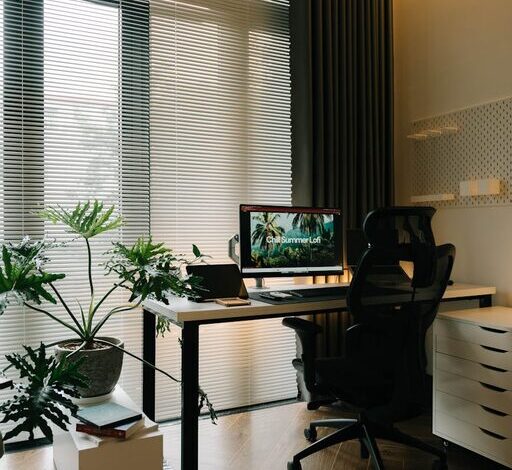
– Natural Light: Try to set up near a window to maximize natural light. Sunlight improves mood and reduces eye strain.
– Low Traffic Area: Pick a quiet corner of your home where you won’t be easily disturbed by family members or daily household activities.
– Space: Ensure there’s enough room for your desk, chair, and any office equipment you may need, with some extra space to move around comfortably.
2. Invest in Comfortable Furniture
Since you may spend many hours at your desk, comfort is key.
– Ergonomic Chair: Choose a chair that supports your back and promotes good posture. Adjustable features like seat height and lumbar support are beneficial.
– Proper Desk: Your desk should fit your workflow. Consider size and height, allowing enough room for your computer, documents, and other essentials.
– Additional Seating: If space allows, add a small chair or a floor cushion for reading or taking breaks.
3. Organize Your Workspace for Efficiency
An organized desk saves time and reduces stress.
– Declutter: Keep only necessary items on your desk. Store extras in drawers or shelves.
– Storage Solutions: Use shelves, filing cabinets, or decorative baskets to organize papers, office supplies, and devices.
– Cable Management: Use clips, sleeves, or ties to keep cords tidy and prevent tangling.
4. Personalize Your Space
Adding a personal touch can make your office feel more inviting and motivate you to spend time there.
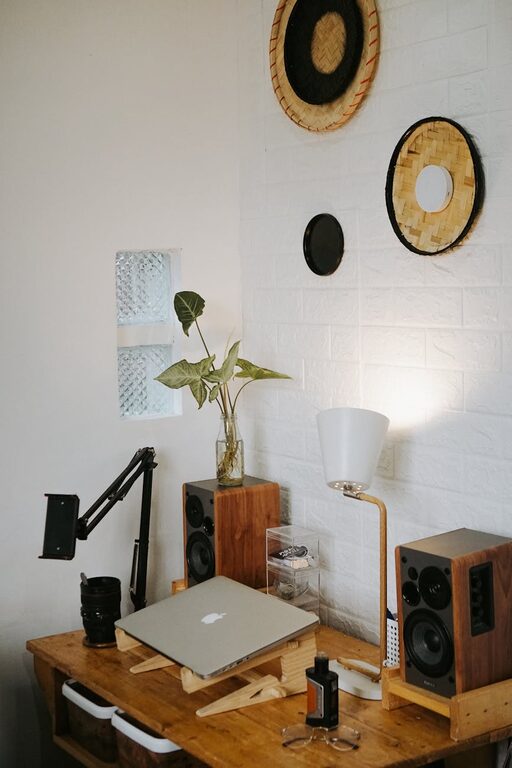
– Decor: Hang artwork, photos, or motivational quotes that resonate with you.
– Plants: Small indoor plants not only brighten your space but also improve air quality.
– Colors: Choose colors that inspire calmness and focus, such as soft blues, greens, or warm neutrals.
5. Lighting Matters
In addition to natural light, good artificial lighting is important.
– Task Lighting: Use adjustable desk lamps to provide focused light for reading or detailed work.
– Ambient Lighting: A soft overhead light can reduce eye strain.
– Avoid Glare: Position your computer screen perpendicular to windows or light sources to minimize glare.
6. Minimize Distractions
A focused environment helps you complete tasks more efficiently.
– Noise Control: Use noise-canceling headphones or white noise machines if your home is noisy.
– Set Boundaries: Inform family members or housemates about your working hours.
– Digital Declutter: Close unnecessary tabs and use apps or browser extensions to block distracting websites during work periods.
7. Create Zones for Different Activities
If space allows, designate separate areas within your office for various tasks.
– Work Zone: Your primary desk area for computer tasks and meetings.
– Reading or Planning Zone: A cozy corner with a comfortable chair or small table for brainstorming or reading documents.
– Break Zone: A spot with a small plant or calming object for short mental breaks.
8. Maintain Regular Tidiness
Keeping your home office clean helps sustain productivity and a positive mindset.
– Daily Clean-Up: Spend 5 minutes at the end of each workday to clear your desk.
– Weekly Deep Clean: Dust surfaces, vacuum, and wipe down electronics.
– Review Supplies: Regularly check and restock office essentials to avoid last-minute stress.
9. Incorporate Technology Mindfully
Leverage technology to enhance productivity, but avoid having it overwhelm your space.
– Efficient Tools: Use a reliable computer, printer, and high-speed internet.
– Minimal Devices: Keep only necessary gadgets on your desk to reduce clutter.
– Smart Organization: Consider apps for task management, calendar scheduling, and note-taking to stay organized.
Conclusion
Designing a cozy and productive home office requires thoughtful consideration of comfort, organization, and style. By selecting the right location, investing in ergonomic furniture, and personalizing your space, you can create an environment that helps you stay focused and motivated. Remember, small changes can make a big difference in how you experience working from home. Take your time setting up your ideal workspace, and enjoy the benefits of a home office that truly works for you.