
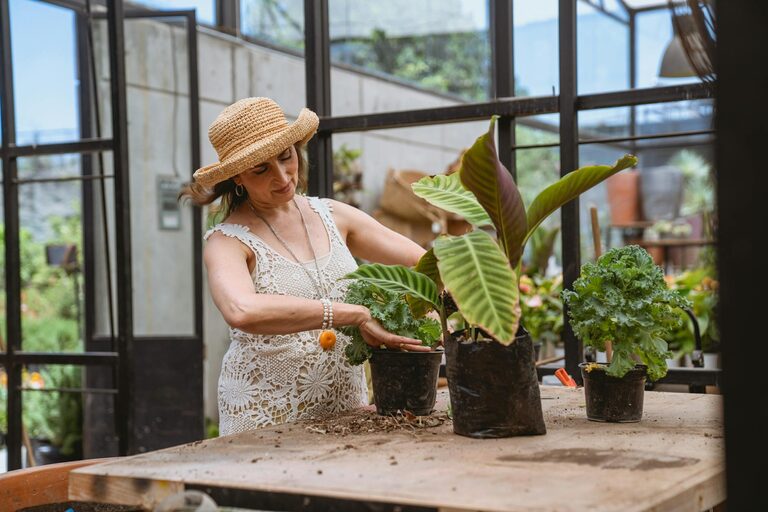
Tips for Creating a Sustainable and Enjoyable Home Garden
Creating a home garden that is both sustainable and enjoyable is a rewarding way to connect with nature, improve your outdoor space, and contribute positively to the environment. Whether you have a large backyard or a small balcony, thoughtful planning and simple strategies can help you cultivate a thriving garden that uses resources wisely and brings you delight throughout the seasons.
Why Choose a Sustainable Garden?
A sustainable garden focuses on minimizing environmental impact while maximizing benefits such as biodiversity, soil health, and water conservation. Unlike traditional gardens that may rely heavily on chemical fertilizers, pesticides, and excessive water use, sustainable gardens emphasize natural processes and resource efficiency. This approach not only supports wildlife and local ecosystems but can also reduce your gardening workload and expenses over time.
Planning Your Sustainable Garden
Assess Your Space and Resources
Start by examining your available space, sunlight, soil type, and water access. Note the areas that get full sun, partial shade, or full shade throughout the day. Understanding your garden’s conditions helps you select plants suited to thrive naturally in that environment, reducing the need for extra care and inputs.
Choose Native and Adapted Plants
Native plants are well adapted to your region’s climate and soil, requiring less water, fertilizer, and pest control. They also provide essential habitat and food for native pollinators, birds, and beneficial insects. If native plants are limited, look for species that are known to grow well in your area’s conditions.
Design for Diversity and Functionality
Include a mix of plants such as flowers, shrubs, vegetables, herbs, and ground cover. This diversity encourages a balanced ecosystem in your garden by attracting pollinators and natural pest predators, reducing the chance of disease outbreaks. Design pathways and seating areas to make your garden a welcoming place to relax and enjoy.
Sustainable Gardening Practices
Use Organic Soil Amendments
Improve soil health by adding compost, manure, or leaf mold instead of synthetic fertilizers. Healthy soil supports strong plant growth and enhances water retention, which helps reduce watering frequency.
Mulch to Conserve Moisture
Apply an organic mulch layer, like straw, wood chips, or shredded leaves, around plants to retain soil moisture, suppress weeds, and regulate soil temperature. Mulching also gradually adds nutrients back into the soil as it decomposes.
Employ Water-Wise Techniques
Water your garden in the early morning or late evening to minimize evaporation. Use drip irrigation or soaker hoses to deliver water directly to plant roots, which is more efficient than overhead watering. Collect rainwater using barrels to use for irrigation when possible.
Practice Integrated Pest Management (IPM)
Instead of reaching for chemical pesticides, encourage beneficial insects like ladybugs and lacewings by planting nectar-rich flowers. Monitor your plants regularly for pests and diseases and try natural remedies such as neem oil or insecticidal soap if problems arise. Crop rotation and companion planting also help prevent pest build-up.
Making Your Garden Enjoyable
Create Comfortable Outdoor Spaces
Add benches, hammocks, or a small patio within or near your garden. Comfortable seating invites you and your family to spend more time outdoors enjoying the fruits of your labor.
Engage All the Senses
Incorporate fragrant herbs like lavender and mint, visually appealing flowers, and plants that rustle in the breeze. A small water feature, such as a birdbath or bubbling fountain, can add soothing sounds and attract wildlife.
Grow Edibles for Freshness and Fun
Include fruits, vegetables, and herbs that you can harvest for meals. Growing your own food is a rewarding experience and encourages healthier eating habits. Choose easy-to-grow varieties suited to your garden size and climate.
Include Wildlife-Friendly Elements
Install bird feeders, bat boxes, or insect hotels to welcome beneficial creatures. Creating habitat niches enhances biodiversity and makes your garden feel alive and dynamic.
Maintaining Your Sustainable Garden
Regular, Gentle Care
Check your garden weekly to remove weeds, tidy plants, and assess soil moisture levels. Consistent, small maintenance tasks prevent overwhelming problems later.
Seasonal Adjustments
Prepare your garden for changing seasons by adding new plants, pruning, and protecting vulnerable species. Saving seeds from your plants can help you grow future crops sustainably.
Learn and Adapt
Gardening is a continual learning process. Take notes on what works well and what doesn’t, adjusting your methods accordingly to improve your garden’s health and enjoyment.
Conclusion
Creating a sustainable and enjoyable home garden is both practical and fulfilling. By thoughtfully planning your space, choosing appropriate plants, adopting eco-friendly practices, and making your garden a pleasant place to spend time, you can nurture an outdoor haven that supports nature and brightens your daily life. Happy gardening!
